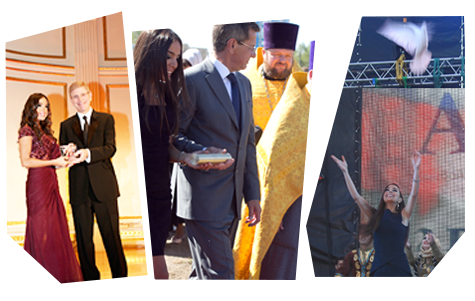

President of the Russian Federation Vladimir Putin presents the “Pushkin” Medal to Leyla Aliyeva
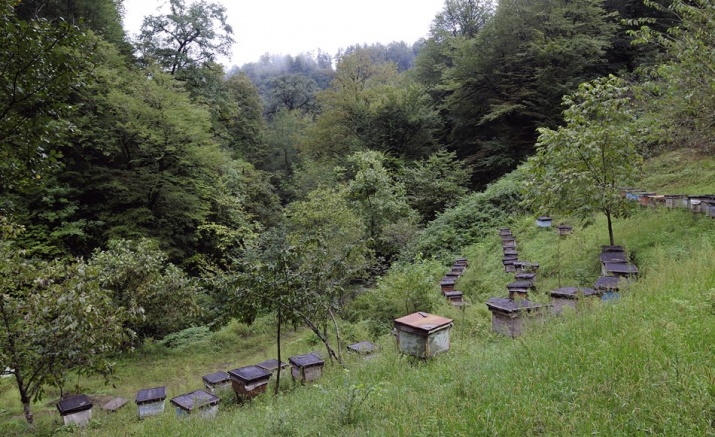
Located in the south-east of Azerbaijan, the region of Lankaran comprises the following administrative districts: Astara, Jalilabad, Lankaran, Lerik, Masally and Yardymly. The Region is washed by the Caspian Sea in the east and shares a border with the Islamic Republic of Iran in the south and west.
More
Located in the south-east of Azerbaijan, the region of Lankaran comprises the following administrative districts: Astara, Jalilabad, Lankaran, Lerik, Masally and Yardymly. The Region is washed by the Caspian Sea in the east and shares a border with the Islamic Republic of Iran in the south and west.
More
Located in the south-east of Azerbaijan, the region of Lankaran comprises the following administrative districts: Astara, Jalilabad, Lankaran, Lerik, Masally and Yardymly. The Region is washed by the Caspian Sea in the east and shares a border with the Islamic Republic of Iran in the south and west.
More
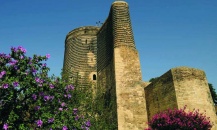
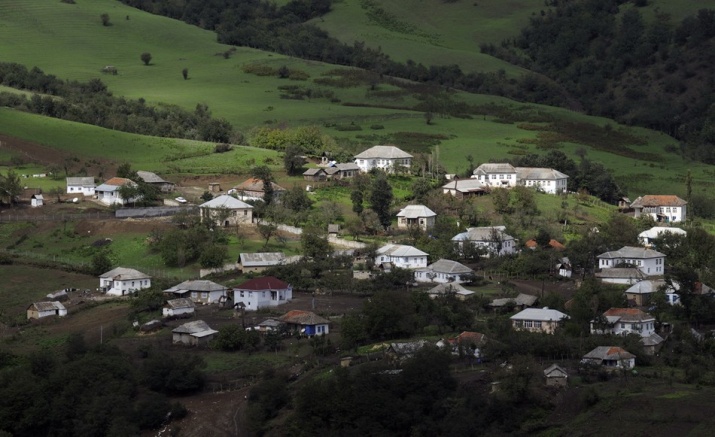
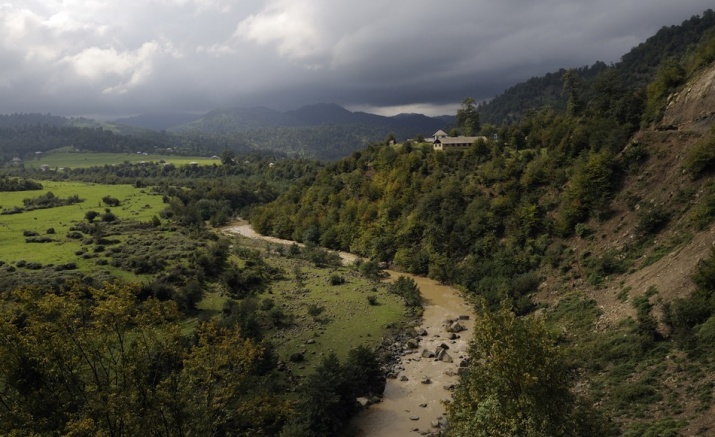
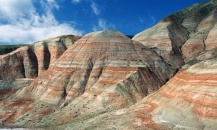
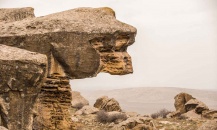
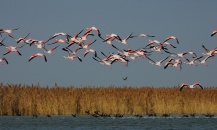
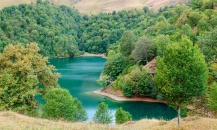
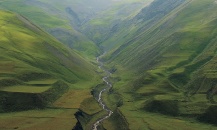
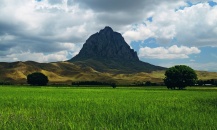
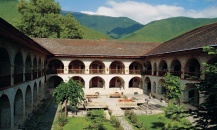
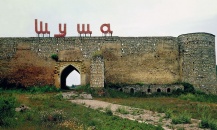
Located in the south-east of Azerbaijan, the region of Lankaran comprises the following administrative districts: Astara, Jalilabad, Lankaran, Lerik, Masally and Yardymly. The Region is washed by the Caspian Sea in the east and shares a border with the Islamic Republic of Iran in the south and west. In ancient times, the area was a part of the Azerbaijani states of Manna, Midiya and Atropatena, followed by the Sassanian Empire and the Arabic Caliphate in the 4th-9th centuries, the Azerbaijani feudal states and the Seljuk Empire in the 9th-12th centuries, the Elkhani (the Hulagu) Dynasty in the 13th-14th centuries, the states of Garagoyunlu and Akgoyunlu in the 15th century, the Azerbaijani Safavi State in 1501-1736 and the Khanate of Lankaran in 1748-1826. The annexation of Lankaran Khanate by the Russian Empire in 1826 resulted in the abolition of the Khanate and was followed by a mass revolt against the colonial policy of the Czarist authorities in 1831. The region features a magnificent nature, rare species of wildlife and plants, remarkable historic sites, rich folklore, versatile trades, peculiar cuisine and residents known for their longevity. Lankaran is one of Azerbaijan’s earliest areas of human inhabitation. The region contains numerous archaeological sites related to various historical periods. Excavations held in Buzeyr cave in the District of Lerik clearly indicate that the area was inhabited as early as the Paleolithic period. The museums of local history, known for their rich collections, possess remarkable exhibits pertaining to the Stone, Bronze, and Iron Ages. According to scholarly assumptions, one of these exhibits, a piece of stone portraying a deer, is 2000-3500 years old, whereas the stone-carved human figure is over 2000 years old. The region also has a lot of defense forts and installations. The Maiden Tower in Shingadulan village is quite remarkable from this point of view. Access to the Tower’s top is only possible from one side. Other architectural landmarks, preserved to this day in Lankaran, include the Khan Residence, Kichik Gala Mosque, Guldasta Minaret, and the ancient Hadji Mirza Bath House, all adorned with intricate facade decorations. With its humid subtropical climate, Lankaran is known for its mild winters followed by hot and arid summer seasons, and rainy falls. This climate accounts for the region’s rich and specific flora and fauna and is beneficial for the cultivation of citrus plants. The abundant lands of Lankaran are considered the homeland of tea in Azerbaijan. The region also offers excellent opportunities for hunting and fishing. A delicious and peculiar cuisine blends a unique charm and flavor to Lankaran. The Talysh are an ethnic minority group comprising a part of the local population. The District of Masally features ancient fortresses, therapeutic waters, relic forests, and crystal clean springs. Thirty-seven of them are found only in the village of Arkivan, making the place a kind of an open air museum of water springs. Istisu, another natural beautiful site, is known as a center for treating various diseases, from rheumatism to ailments of joints, muscles, nervous system, skin diseases as well as gastrointestinal disorders and other illnesses. Reserves in the region are known for their pristine nature. Gyzylaghaj State Natural Reserve, located at the Gulf with the same name in the south-western coast of the Caspian Sea, is of particular importance for the European ornithology. The reserve was founded in 1929 with a view to protecting habitats and increasing the population of hibernating and migratory waders, waterfowls, and steppe birds. The overall number of birds gathering here in winter exceeds one million. Up to 20 species of birds, using the area as their habitat, are registered in the Red Book of the Republic of Azerbaijan. These include Dalmatian pelican, European white pelican, black stork, marbled teal, fish hawk, white-tailed eagle, Egyptian falcon, golden eagle, bustard, little bustard, spoonbill, royal spoonbill, flamingo, red-breasted goose, mute swan, little swan, sociable lapwing, white-tailed lapwing, steppe springtail, etc. The Hyrcanian National Park, covering the areas of Lankaran and Astara Districts, was established with a view to protecting rare species of the Tertiary Period flora endemic to the area. A large part of the Hyrcanian National Park is covered by forests. Even though the altitudinal difference of the National Park is not that high (about 1000 meters), one may notice climatic changes in the forests moving uphill and westwards. The lowland areas are dominated by chestnut oak-trees, the Persian ironwood, and hornbeam forests. The local flora also includes Pink siris, Gleditschia, Hyrcanian fig-tree, Caucasian persimmon, Zelkova, etc. Drops in altitude make these forests extremely colorful and picturesque in the fall. The National Park provides excellent conditions for ferns, Hyrcanian winterberry, Hyrcanian buxus, and various types of liana. A majority of these plants are mentioned in the Azerbaijan’s Red Book. The Persian ironwood, one of the most rare and unique trees in the world, mainly grows in the Districts of Lankaran, Astara and Masally. Some deeply-rooted trades and handicrafts are still widely popular in the region of Lankaran. The villages of Boladi, Vilvan and Veravul are known as traditional places of jewelry, carpetweaving, bast mat production, and pottery.
© 2013 Leyla Aliyeva Official Website
All rights reserved. Any cited material must be url-linked to this site.